
Paprika is a spice that has gained great popularity in various cuisines around the world, especially in Spanish cuisine, and its use is not only due to its unique flavor, but also to its multiple benefits and its ability to transform an ordinary dish into a sensory experience. But why is paprika added to food? Here we explore the main reasons.
1. Flavor and Aroma
The main reason paprika is used in food is its ability to add a unique flavor. Depending on the type of paprika (sweet, hot, or smoked), it can provide a range of flavors, from sweet and mild to intense and spicy. Smoked paprika, for example, is known for its aromatic profile, which mimics the flavors of roasted meat, giving dishes a “smoky” sensation even when they have not been grilled.
2. Vibrant Color
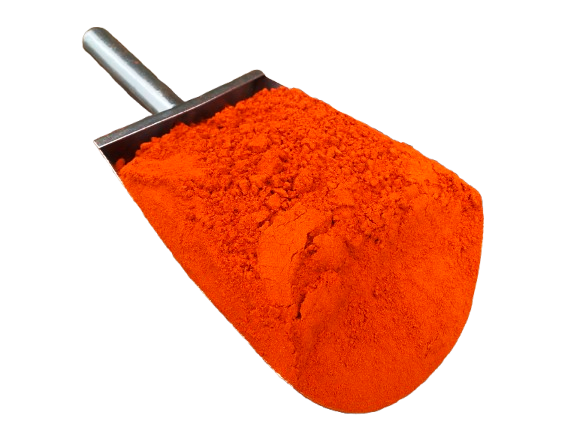
Paprika not only adds flavor, but also a beautiful vibrant red color to food. This is especially evident in dishes such as gazpacho, chorizo, and patatas bravas, where the spice is used not only for its flavor, but also for its visual appeal. Its bright color can make any dish look more appetizing and attractive.
3. Preservative Properties
In ancient times, before refrigeration, spices like paprika played a key role in food preservation. The natural compounds in paprika have antimicrobial and antioxidant properties that helped preserve food for longer. Although it is not used as much for this purpose today, paprika still retains some of these properties.
4. Health Benefits
Paprika is not only a delicious condiment, but also offers several health benefits. It is full of antioxidants, especially vitamin C, which is essential for immune system health. It also contains capsaicin, the compound responsible for the spiciness in paprika, which has been shown to have anti-inflammatory effects and improve blood circulation. Additionally, it has been suggested that paprika may help improve digestion and boost metabolism.
5. Culinary Versatility
Paprika is incredibly versatile. It is not only used in savory dishes, but can also be incorporated into sauces, soups, stews, rice dishes, and even some desserts or beverages (such as cocktails). Its ability to combine with a wide variety of ingredients makes it indispensable in many cuisines around the world.
6. Tradition and Culture
The use of paprika is deeply rooted in culinary tradition, especially in countries like Spain, where the “pimentón de la Vera” variety is recognized worldwide. Paprika holds a special place in Spanish gastronomy, not only as a flavoring ingredient, but also as part of cultural identity, transmitting history and gastronomic knowledge across generations.
7. Sensory Appeal
Finally, adding paprika to a dish has a significant impact on the diner’s sensory experience. Not only is the sense of taste activated, but also the sense of smell. The aroma of paprika is so characteristic that it can make any meal, even the simplest, more stimulating. The simple act of adding paprika to a dish can increase anticipation and enhance the eating experience.
Conclusion
Paprika is much more than a spice; it is an ingredient full of history, flavor, and health benefits. From its ability to enhance the flavor of food to its preservative properties, it is easy to see why paprika occupies such a prominent place in the kitchen. Whether you prefer sweet, hot, or smoked paprika, this spice will surely bring something special to your dishes. Don’t hesitate to experiment with it in your next recipe and enjoy all it has to offer!